
One of the questions that comes to anyone new to game development, whether out of a desire to learn or simply curiosity, is this: What are the stages of developing a game? What steps do developers—whether big companies or even independents—take to make a game? What's the best way to plan out your game?
I'm interested in these questions too, and I've always wanted an answer to them. Usually, when an idea for a game comes to me, I open the engine I use and start working on it, building the basic things in it, and after a while I find myself stuck halfway through development, or even right after the first step, saying to myself: "What's next?" But after making this article, rich with information that was new to me too, I think my approach will improve a lot in this regard, or at least I now have something to write in my to-do list whenever I start a new game p:
Back to our topic then—what are the stages of game development? The stages generally revolve around 10 points, but we can group those points into 3 main categories
Pre-production
The production process itself
Post-production
A quick note
These stages are usually aimed at games that take a lot of time to make—if your game is simple, or just a "game jam" game, you can skip some of these stages, or even speed through some of them, but that doesn't mean you shouldn't still learn about them, since they might help even with your simple game
A- Pre-production
The "pre-production" stage plays the most important role in the game development process overall, since it's what determines whether you'll go ahead with the game or not—maybe the game turns out to be bad and isn't fit to become an actual game, or maybe it turns out to be a great game and a good opportunity to start working on it
This step also matters because it's how the whole project gets presented to the team, so the entire team shares the same vision for what you want to make—which is why this stage needs to happen before producing the game itself
This stage has 3 main points: the idea, the work plan, and the prototype
1- The Idea (Content)

The most obvious thing, and one that's surely already crossed your mind, is coming up with the game's idea or its core content. You can't make any project or game without an idea—it needs to be written down, or at least present in the whole team's mind. If there's a team, the idea needs to be explained to everyone in general: does it already exist or not, is it distinctive or not, will it be an appealing idea or not? All these questions are best answered at the start
The hardest part here is always finding a distinctive idea, and a lot of people run into the problem of wanting to make an original idea, meaning one that's never been done before—but that's not necessary. There are plenty of good ideas out there even though they aren't original—maybe your idea is even just a reimagining of another game, or just an improvement on an existing game. It all comes down to whether the game itself is fun or not
2- The Work Plan

After you get a good game idea that your team has agreed on, or that you as an independent developer have decided is good on your own, this is when good planning for the work comes in. Good planning comes from a good plan, and a good plan comes from good documentation
With that, I can tell you about one of the most important documents you can write for your game, called the (game design document), abbreviated GDD. In this document, everything related to the game is written down: the number of levels, the story, the characters, the art direction (concept art), the mechanics, and even the platforms the game will be released on
Simply put, everything related to the game gets written in this document, then its parts get passed on to the people responsible for those parts to start working on them, or even to estimate how much time they'll take. If there are parts related to designing a specific level, that part of the document is given to the person who will design it. If there's specific programming work, like the core game mechanics, that part is given to the programmers responsible for coding those mechanics
So the work document ends up being like the complete plan for the whole team, and like any plan, there's nothing wrong with revising it from time to time
3- Prototype
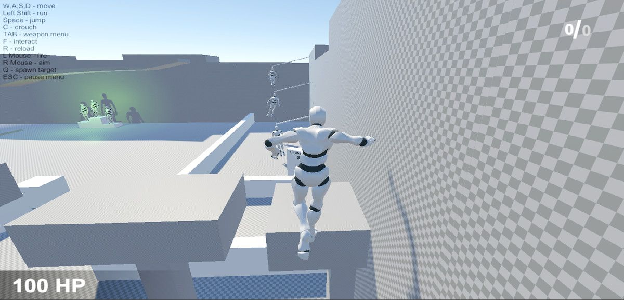
After finishing the work plan, that means everyone—including you—now understands what the final game will look like
Right? Not quite :/
We can say the work plan makes it easier to organize everyone's work, so they know what the final game will look like and what steps they need to take and follow, but that doesn't mean everyone actually knows what the final game will look like, and how its elements come together. Maybe the idea is good, but after making the game, the game's mechanics turn out bad
This is where the prototype comes in—simple shapes are used to program the core things in the game, whether the game's idea relies on platforming and jumping, or the idea relies on having the player fight several enemies
This is done using simple shapes called prototype assets, in order to figure out the game's style and confirm that it's actually fun
In other words, the prototype is the model through which we discover the core elements that make the game fun
B- Production
So far, everything you've done has just been testing whether the game is good or not—just some experiments, not the game itself. If your game has passed all those previous points, that means it's ready to move on to the next stage
Which is production This part focuses on actually making everything inside the game, and ultimately arriving at the final, complete result: the game itself. That means working on the assets, code, designs, audio, levels, and everything else related to the actual game
This stage also comes in several points: the vertical slice, alpha, beta, and gold
1- Vertical Slice
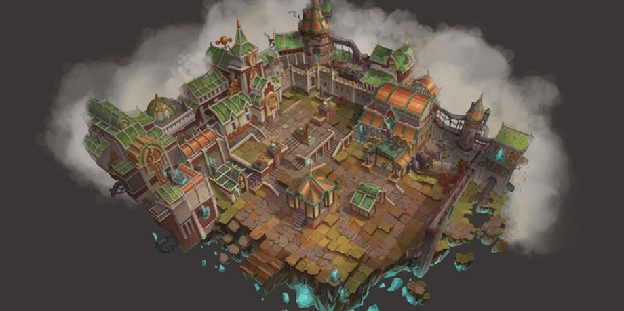
Also called a Vertical Slice, this stage is very similar to the prototype stage, but this time you build one complete room or level in your game, including most of the core mechanics for characters, the player, and so on, along with the designs and art direction. Even if your game has side quests, you can add a small one here. You could say it's like a preview version for showcasing
You can use this version to get the whole team on the same page about what the game's designs will look like, or even use it for a promotional trailer, or even to pitch your game to publishers, who might like the game's idea and its art direction
A lot of indie developers reach this stage and then stop, pitching everything they have to a company that can then sponsor the whole project and invest in it to turn it into a complete, actual game
2- Alpha Stage
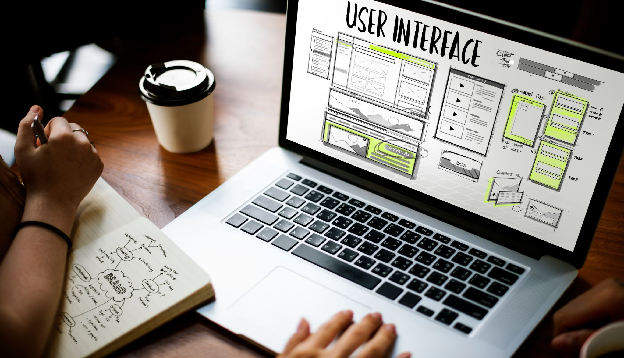
This is the main stage where everything in the game actually gets worked on: designing characters and enemies, designing levels, writing the code for all the game's requirements, recording character voices, creating visual and audio effects, the game's UI, building all the levels and placing enemies, the player, and everything specific to those levels, and creating and placing cutscenes
So the alpha stage is everything that makes the game complete—creating the assets and actually placing them in the game—and this stage takes the most time, since it's the stage where the game is actually developed. That means after finishing this stage, anyone can play the game
But that doesn't mean it's the final stage
3- Beta Stage
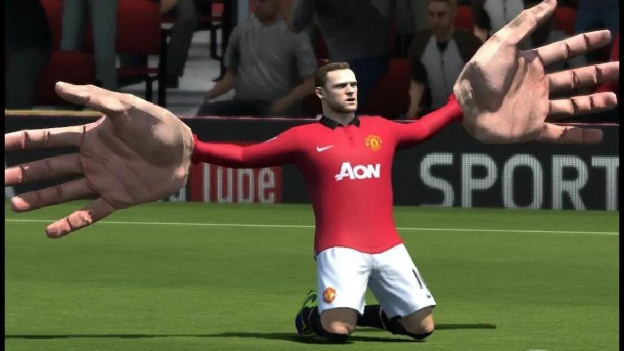
In the alpha stage, the game has actually been finished and you can play it, but there are usually a lot of issues the developers didn't notice during development—whether it's a problem like the overall file size of the game, a bug that makes characters look bad (like in the picture), problems with design or audio, or places where something glitches, like clipping through the ground
Most of these problems tend to be technical—some of them might not happen for every player, only occurring on certain devices, for example, but there are still problems that need to be fixed
This is where this stage comes in, to clean up those problems, through the game being tested by the team responsible for game testing, who find those problems and send them to the team responsible for fixing them
This way, the game ends up truly finished, whether in terms of content coming from the alpha stage, or fixes coming from the beta stage
4- Gold

You could also call this stage the release stage—in the previous stages, the game was actually made and tested to fix its problems, and it's now ready to launch in stores, where a regular user can play it without running into any issues
Of course, some problems or glitches may still show up, but that's left for future updates What matters is that this stage's goal is just to launch the game and start publishing it, and it focuses on the official side, like rights and so on, and the marketing side, like promotion and advertising for the game
C- Post-Production
After finishing the production part and arriving at the final product in the gold stage, comes the post-production stage, to wrap everything up properly—and yes, a project can be wrapped up badly too, and you'll understand what I mean shortly
1- Wrap-Up
The game project is actually finished and done, and it's over. The team can now split up and form other teams or work on other projects, but before that, the project needs to be wrapped up properly, and at this stage the term "wrapping up a project" doesn't quite capture it
Because in this stage, the resources used to make the game—like images, characters, code, and audio—get gathered and organized into folders, so they can be revisited if there's a new, similar project, or a new installment in the series For example, instead of building a tree from scratch in a new project, you can use the same old tree from the previous game, and the same goes for code, audio, and so on
There's also the project's reports—for example, if a problem occurred, a report gets written about it and how it was solved, which also reminds you of the need to document your code, since if there are updates or changes later, it'll be easy to use those documents
2- Updates

Go back 20 or 30 years, and you wouldn't see this stage at all. But with the growth of the internet, it's become easy to send updates and patches for a game, adding new levels, fixing a bug that wasn't fixed during the beta stage, adding new characters, or improving old things All of that happens in the updates stage, which, practically speaking, has no real end
Because updates are what keep the game alive and let people play it again and again with new content
Conclusion
And with that, you now know the stages of game development. You might need to use these stages to organize the work on your next game, or it might just be enough to understand how game development companies go about making their games
Just like you, I can now go back to my own game and reorganize it, so it comes out in the best way possible
A quick note* There's also the marketing stage, but it doesn't really have a fixed place—marketing can start at any time, so it can't really be called a standalone stage that fits in one specific spot