

In game development, level design is no less important than any other element in building an immersive, enjoyable experience. Level design is the art behind organizing the virtual world your character will move through
It's like the skeleton that everything else in the game is built on, from the path the player will take, to the challenges they'll face, to the treasures they'll discover
Level design shapes the gameplay style, contributes significantly to the player's sense of challenge and achievement, and can open up new horizons for exploring the game world and uncovering its secrets
But have you ever thought about the different types of level design? While some people find joy in discovering vast open worlds, others enjoy following a carefully defined, planned path
In this article, I'll shed light on two main types of level design—linear and open—and go over the advantages and drawbacks of each, so we can understand the differences between them in detail and compare how each affects the player's experience
Linear Level Design
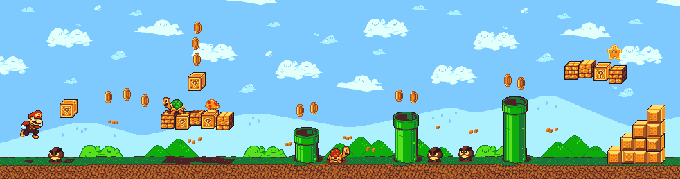
Linear level design is a common approach in game development, where the player is guided through a predetermined path, such as completing one mission before moving on to the next
This type of design has several advantages: navigation is clear and easy, since the game guides you to where you need to go, making it easy to understand the path and reach your goals
In addition, linear level design lets you guide the player toward a specific experience—you can control the sequence of events and present the challenges you want, allowing you to guarantee a defined, specific experience for the player
On top of that, linear level design is simple and easy to implement, letting you build the game with as little effort as possible
But despite its advantages, linear level design suffers from a few drawbacks, the most notable being a lack of freedom, since the game determines your path and dictates what you must do, making you something like a "puppet" moving according to the game's instructions
Additionally, linear levels can become repetitive and boring—as the same path repeats, the player may grow bored and want to try something new
Finally, replayability in linear level design becomes very difficult, since with a fixed path set for the game, you can't explore new aspects or try additional options
Some of the most famous examples of linearly designed games:
- The Super Mario series, where the player progresses through predetermined paths, guided through obstacles and enemies
- The Uncharted series offers linear level design focused on storytelling and delivering a tightly crafted cinematic experience
Open Level Design
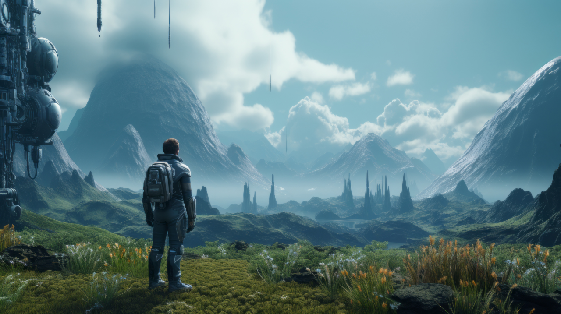
Open level design, also known as "open world," offers you a one-of-a-kind experience, granting you the freedom to move and travel through a vast, nearly limitless world. Instead of following a predetermined path, you become the one in charge, able to choose your own direction and roam the world as you please. You can explore diverse environments, set your own goals, and discover secrets hidden in every corner of the world
Here are some of the advantages open level design offers you:
- Freedom of choice: no restrictions are imposed on you—you're the one who decides your path and destination, and you choose your own missions and activities
- Exploration and variety: these designs offer you a rich, varied experience, letting you discover new areas, face diverse challenges, and interact with different characters
- Replayability: these designs give you the chance to replay without getting bored, since thanks to the vast content and many options available, you can discover new content every time you play the game
But not every gem is flawless—open level designs have a few notable downsides:
- Direction: you may struggle to figure out where to go and find your way in a world full of options
- Feeling lost: you may feel lost in the big world because the game doesn't provide a clear guide pointing you toward a specific goal
- Pacing: the game's pacing may become slow due to the size of the world and the number of activities available in it
Some famous examples of open-world games: "The Legend of Zelda: Breath of the Wild," "Grand Theft Auto V," "Red Dead Redemption 2," and "Elden Ring"
Comparing Linear and Open Level Design
On your journey as a game maker, you'll face a fundamental question: how will you design your game's levels? Will they be linear levels that guide the player along a defined path, or will you give them the freedom to discover an open world?
Let's look at this choice carefully—here's a table summarizing the advantages and drawbacks of each type:
| Comparison | Linear Level Design | Open Level Design |
|---|---|---|
| Advantages | Easier to design and produce, easily guides the player, greater control over the sequence of events | Richer, more freeform experience, replayability, deeper exploration |
| Drawbacks | Less flexible experience, less replayability, less rich experience | Players may feel lost, harder to design and produce, some areas' content may go unused |
The table makes it clear that each type has its own advantages and drawbacks, so choosing the ideal design depends on the type of game you want to create
If your game focuses on telling a specific story with tight control over the sequence of events, then linear level design is the better choice
But if your game focuses on freedom and exploration, giving the player varied gameplay choices, then open level design is more suitable
There's no single correct answer—both types can succeed, depending on the kind of game and its target audience
Tips for Effective Level Design
Dear game developer, it's not enough to just design beautiful levels—you need to bring a touch of cleverness and skill to create an enjoyable play experience. Here are a few tips that might help you:
First, make sure to achieve balance in every level. Challenge excites the player, but they'll feel frustrated if it's too hard, or annoyed if it's too easy. Think about different difficulty levels and make sure there are challenges that form an achievable accomplishment without becoming impossible
Second, choosing the type of level design isn't random—it should fit the type of game and its goal. If it's a fast-paced competitive game, linear levels will suit a quick rhythm, while open levels will be ideal for exploratory games that encourage experimentation and discovery
Third, variety is the spirit of level design. Don't repeat patterns or obstacles—take your player on a journey full of difference and excitement. Remember that the player's experience is the heart of the game, so surprise them with new ideas and varied challenges to keep the flame of fun burning